

Introduction
The question What Should My Refresh Rate Be is something that a lot of individuals ask themselves when either purchasing a new monitor or a display setting adjustment. You can encounter such numbers as 60 Hz 75 Hz 120 Hz or 144 Hz and not know which one is correct. The resolution is determined by your usage of your screen. There are those who go through and read and the rest play high-speed games or make videos. Different refresh rates are favourable in each activity.
This is a guide on the explanation of refresh rate in a simple language. You will also get to know the meaning of the numbers and how they influence your eyes and performance and how to select the best option that suits you. No technical language all you need is straight forward guidelines.
The Real meaning of Refresh rate.
The number of times your screen combusts the image per second is known as refresh rate. It is measured in hertz or Hz. In case you have a 60 Hz monitor it displays the image sixty times a second. It refreshes and reinvigorates one hundred and twenty times in a second at 120 Hz.
The more it has the smoother the motion. Movements appear more natural and not blurred. This is because with fewer numbers, it might be choppy when in rapid motion. With slow tasks such as reading text that you might not distinguish much.
Imagine that you turn the pages in a book extremely quick. The quicker the flip the smoother it seems to be.
The Importance of Refresh Rate in Everyday Usage.
Most individuals believe that refresh rate is merely an issue to gamers. That is not true. Even ordinary activities are more comfortable with a more liquid display. You know it is cleaner to scroll web pages. The movement of the mouse seems more smooth. The animations of windows are less jumpy.
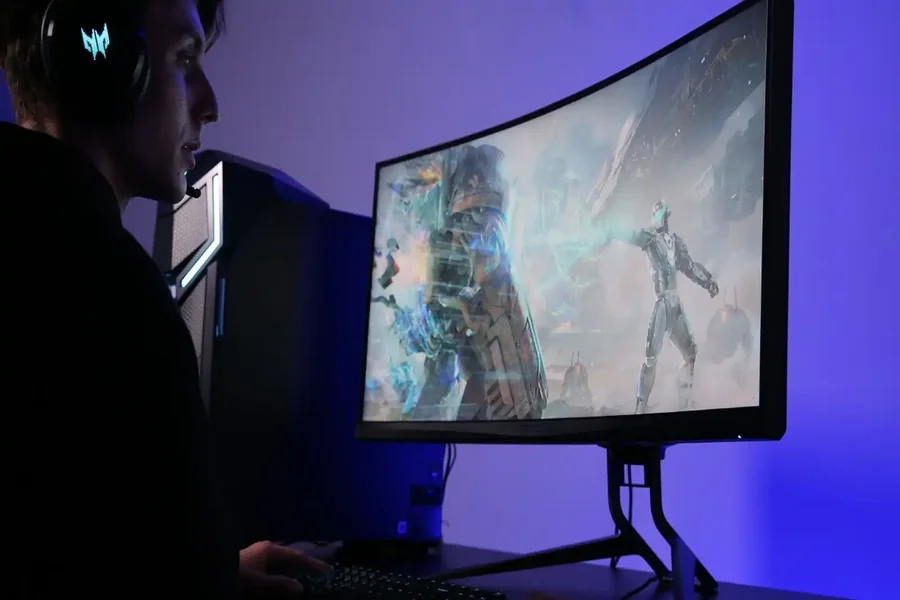
Your eyes also benefit. Increased refresh rate would help relieve strain since the movement is stable. Others experience reduced headaches when they change to 90Hz or more.
Never mind that you do not necessarily want the most. Tasks such as typing or watching videos are all good at moderate levels.
60 Hz When performing simple work and in the office.
The most common refresh rate is sixty hertz. It is used on a number of laptops and budget monitors. It works well when it comes to the simple tasks.
When one primarily writes email, studies via the Internet and watches movies or works with spreadsheets, 60 Hz is sufficient. Writing is crisp and video is smooth as most movies run at reduced frame rates anyway.
Such an environment also conserves energy that makes laptops are able to last longer on their battery. In the case of students and office workers it is often the pragmatic one.
Without spending time playing fast action games, you will not miss much.
75 Hz in 100 Hz Daily Comfort.
Something between 75 Hz and 100 Hz will be a good little upgrade, but not very expensive. This range is noticeably better than 60 Hz.
Scrolling feels smoother. The movement of the cursor appears cleaner. It is a fun way of playing light games. According to many users, this range is more comfortable when one wants to spend much time using it.
This type of monitors is affordable. Their cost-to-performance ratio is pleasant. It is the golden mean to most of us.
It is an easy method of having your computer responding better.
120 Hz And 144 Hz Game And Fast Motion.
Refrain rate is of significant concern to gamers. In a sports title or a fast shooter racing game every milli-second matters. The more the refresh rates the more frames displayed and therefore motion is easy to see and reaction time quicker.
The enemies are visible sooner at 120 Hz or 144 Hz and it is easier to follow the tracking targets. Motion blur decreases. The play is smooth and sensitive.
Competitive games are another significant distinctions of these numbers. Several gaming monitors are currently starting at 144 Hz. After getting used to it can be slow to go back down to 60 Hz.
Action requires this range very much.
Above 240 Hz Competitive players.
There are a few high end monitors that have 240 Hz or 360 Hz. They are aimed primarily at major competitive players and esports fans.
The variation between 144 Hz and 240 Hz is not as high as the one that occurs between 60 Hz and 144 Hz but it does exist. Movement is made very smooth. Input delay becomes very low.
These monitors are however more costly and need powerful hardware. You have to be able to get very high frame rates out of your graphics card or you will not experience the difference.
This level is not necessary to most people. It is recommended to the professionals or fans who prefer to have all benefits.
Pairing Refresh rate with your Hardware.
High refresh rate will be only useful when your computer is capable of sustaining it. The graphics card should be capable of producing sufficient frames per second. When your game is only 60 frames per second it is not going to somehow create more frames by using 144 Hz monitor.
Measure the performance of your system. Check the performance of the apps or games that you use. Choose a refresh rate then that is equal or a little higher than that number.
Cables also matter. Certain older HDMI cables are not capable of supporting very high refresh rates at high resolution. The right cable will save you the best.
How To Adjust Your Refresh rate.
A lot of users purchase a monitor with a high refresh rate and do not turn it on. Some systems defaulted on 60 Hz.
The option of changing the setting under display options is available on most computers. Go to your screen settings and then go to advanced display and change the desired refresh rate in the list. Once it has been applied you will find it moving more smoothly.
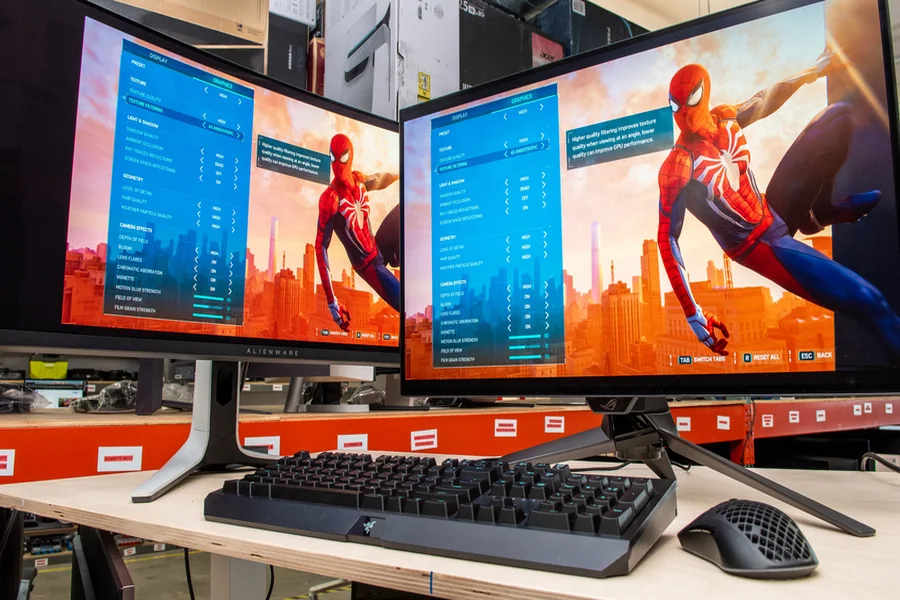
It is always important to ensure setting up after attaching a new monitor. Otherwise you can fail to use the performance that you paid.
Furniture and Home Comfort and Eye Health.
Speed is not as important as comfort is. A smoother screen can be perceived easier on the eyes. There is less flicker and movement appears to be steady. This is of use in the course of extended studying or workplace.
Brightness distance and posture are, however, important. It is not just the refresh rate that solves all the problems. A combination of good lighting and the correct height of a chair together with frequent breaks is the best results.
Select a rate which is comfortable to you. The eyes of everybody differ slightly.
Final Thought
What Should My Refresh Rate Be – This is an issue that would depend on your usage of the screen on a daily basis. For basic work 60 Hz is fine. To make day-to-day operations more comfortable, 75 Hz or 100 Hz is more comfortable. A good option is 120 Hz or 144 Hz of gaming. Competitive players are the main people to use very high rates such as 240 Hz. Adjust the monitor to suit both your requirements and hardware and then set the monitor properly. Even such a slight alteration in refresh rate can enhance the entire computer experience and make it faster and more comfortable.
FAQs About What Should My Refresh Rate Be
What is the best refresh rate for normal use
Around 60 Hz to 75 Hz works well for browsing and office tasks.
Is 144 Hz worth it for gaming
Yes it provides smoother motion and faster response which helps in fast games.
Does higher refresh rate reduce eye strain
Many people feel less strain because motion looks more stable.
Can my laptop support high refresh rates
It depends on the screen and graphics hardware so check your specifications.
Why does my new monitor still show 60 Hz
You may need to change the setting manually in display options.
Do movies need high refresh rates
Most movies look fine at 60 Hz since they are filmed at lower frame rates.
Is 240 Hz necessary for everyone
No it is mainly useful for competitive gamers with powerful systems.
