What Is A Football Cleat is a popular query among new fans, a novice, or even a parent of the sport. By its appearance, a football cleat is just a normal athletic shoe with holes in the bottom. But it is much more than that. It is a specialized machine that is to enhance the field traction, balance, speed and safety.
Every step matters in football. Almost every play will include quick cuts, explosive sprints and sudden stops. In the absence of the right footwear, the players face the risk of slipping down, losing control, or injury. This is why knowledge on what a football cleat is and the way it functions can be a huge difference in terms of performance and protection.
What Is A Football Cleat?
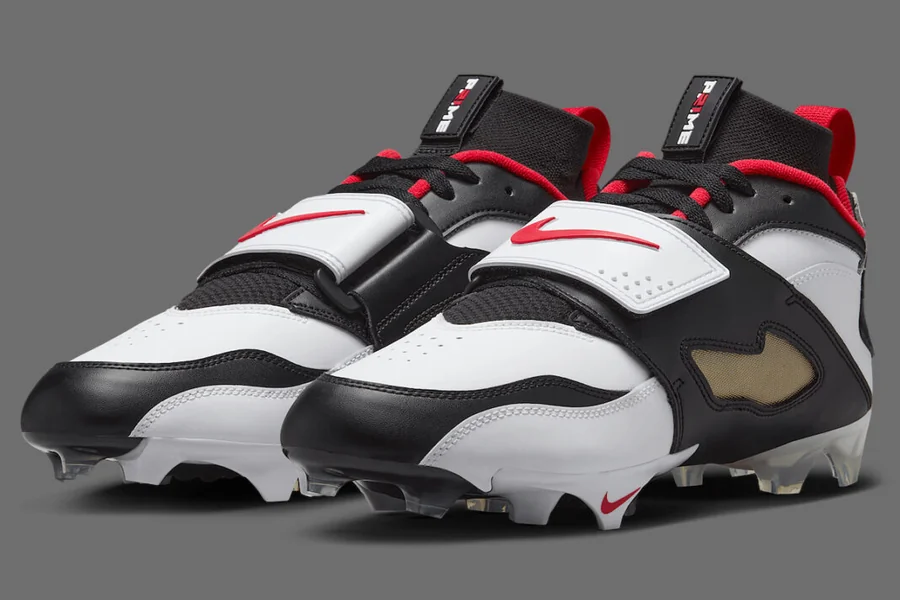
A football cleat is a form of athletic shoe that is made to play football on grass or on a turf field. The characteristic attribute is the studs or spikes that are on the sole. These are studs that are pierced into the ground to offer stability and grip.
Football cleats are designed differently in comparison to ordinary sneakers because they are designed to move in a multidirectional fashion. Gamers have to move forward, backward, and sideways in a matter of seconds. To ensure such fast transitions, cleats are used to allow balance.
Majority of football cleats are light but strong. They are designed using synthetic fabrics or leather to provide flexibility and support. The above section is tight around the foot to stop the shoe creating too much movement. A tight fit aids in prevention of blisters and better control.
The bottom stud is patterned according to the playing field. There are cleats that are used on natural grass fields. Others are artificial turf ones. The selection of the type plays a crucial role on comfort and safety.
Types of Football Cleats
Not all cleats are the same. There are various styles that are used in relation to different needs.
Low cut cleats are the ones which are located below the ankle. Skill position players who include wide receivers and defensive backs are popular with them. These are sportsmen who appreciate speed. Lightening design enables rapid acceleration and cutting.
The mid cut cleats offer medium ankle support. The reason as to why many running backs and linebackers choose this style is that it is a perfect compromise between mobility and stability.
High top cleats are made to come above the ankle. They also provide additional support and are commonly donned by linemen. There is always physical contact between these players, and therefore added stability in the ankle may pay off.
Also, there are various stud configurations. Rubber studs are permanently attached on the cleats through molding. They are also flexible and are normally applied in high school and youth football. Removable cleats enable the player to change the studs according to the weather conditions on the field. This alternative is favored at the superior competitive stages.
The knowledge of these variations assists players to correlate their footwear to their role and style of play.
How Football Cleats Improve Performance
Football is a game of inches. A pass or a tackle can be caught or made based on a single step made by a receiver or a defender respectively. Cleats are directly involved in these occasions.
The studs provide traction. When a player takes off the ground, his cleats hold on to the ground. With this grip, it is possible to accelerate more and make more powerful changes in direction.
Cleats also improve balance. Proper traction allows one not to slip when putting a foot on a cut or jump. The fact that it is stable makes it more confident. Players are able to concentrate on the play and not on the groundwork.

Speed is another factor. New cleats are made to be light in weight. Advanced materials are used in the production of the brands to minimize volume as well as durability. The lightness of the feet results in faster movement.
Lastly, cleats help to prevent injuries. Grass or grass that has been mowing is wet which may cause slipping to sprain ankle or strain the muscle. It is a risk that is minimized with proper traction.
Choosing the Right Football Cleat
There is more to choosing the cleat than choosing a trendy brand. The decision should be driven by a number of factors.
First is playing surface. Natural grass fields frequently demand formed or removable studs which have the capability of excavating soil. Artificial turf fields generally require fewer rubber studs which are manufactured to fit artificial surfaces.
Second is position. Linemen could value support and long life. Skill players can be concerned with speed and flexibility.
Third is fit. A football cleat is not supposed to be painful and tight. There is minimum movement of the heels. The toes must not be too big but they must not slip forward when there is an abrupt stop.
Material also matters. Synthetic uppers are lighter and in most cases cheaper. Leather cleats could give it a traditional feel and be more flexible in the long run.
It can be a good idea to try on cleats with game socks as the way to guarantee the most suitable fit. They are necessary as players spend hours in a practice and matches with them.
Football Cleats vs Other Sports Cleats
There are individuals who mistake football cleats with either soccer cleats or baseball cleats. Although they appear to be similar, there are some significant differences.
Cleats used in soccer are usually lightweight and bare-toed. Football cleats have commonly a toe spike to enhance forward traction to push and block.
Increasing the play levels, baseball cleats can have metal studs. In the majority of the football associations, the use of metal cleats is prohibited because of the safety reasons.
Even the stud pattern used on football cleats is made to be more diverse. Football is characterized by a lot of lateral cuts and bangs. The footwear should accommodate such requirements.
The cleat type does not match and therefore worsens performance and risk of injury. That is why sport specific design is so significant.
Caring for Your Football Cleats
Football cleats have a long life when they are well maintained.
Eliminate surplus dirt and grass after every game or practice. Allow the cleats to dry naturally. They should not be placed too close to heaters as too much heat may ruin materials.
When the cleats are wet, wrap them in newspaper to dry them off. Clean removable studs as frequently as possible and examine.
Keeping cleats in a breathable bag is a method of avoiding the accumulation of odors. Footwear maintenance means that the performance will be consistent during the season.
The Evolution of Football Cleats
The cleats of football have evolved over a long time. The primitive ones were metal-spiked heavy leather boots. They were not flexible and comfortable and gave a grip.
The cleats are modern with a superior technology. The performance and safety are increased with lightweight synthetic fabrics, better cushioning, and well-developed stud patterns.
The manufacturers also do a study on biomechanics, which would help them produce shoes that would be compatible with the natural movement of the foot. This is aimed at capturing as much power as possible without straining.
Footwear is constantly emerging as the game is becoming faster and more athletic. At each level, cleats are now an important factor in the success of a competitor.
Final Thought
Knowledge of What Is A Football Cleat is not limited to knowledge of the shoe with studs. It is an important equipment to aid performance, safety and confidence on the field.
Since the time of youth leagues up to the professional level, the right cleat keeps the players in control and power. The proper selection of the type, the fit, and their maintenance are all measures of enhancing the football experience.
Football cleats are not an accessory in a sport where speed and balance are paramount. They are necessities which enable the players to perform optimally.
FAQs
What is a football cleat used for?
A football cleat is used to provide traction, stability, and support for players on grass or turf fields.
Are football cleats different from soccer cleats?
Yes, football cleats often have a toe stud and are designed for multidirectional movement and contact, while soccer cleats focus more on continuous running and ball control.
Can you wear football cleats on turf?
Yes, but it is best to use turf specific cleats designed with shorter rubber studs for artificial surfaces.
How tight should football cleats fit?
Football cleats should fit snugly with minimal heel movement while still allowing slight room for the toes.
Do football cleats prevent injuries?
Properly fitted cleats with the correct stud type can reduce slipping and lower the risk of certain injuries.
How long do football cleats last?
The lifespan depends on usage and care, but with proper maintenance, a pair can typically last an entire season.